ADVERTISEMENT
7 Early Signs of Oral Cancer You Should Never Ignore
You brush your teeth every day, but you might not closely check inside your mouth for subtle changes. A small sore that lingers, a red or white patch that won’t fade, or an unexplained swelling can feel harmless at first—maybe from biting your cheek or spicy food. But when these stick around for weeks, they stop being “normal” and start signaling something that needs attention. Ignoring them allows potential problems to progress quietly, turning a treatable issue into something far more challenging. The good news? Spotting these signs early and getting checked can lead to much better outcomes.
In this article, we’ll walk through the most common early symptoms of oral cancer, why they happen, and simple steps you can take right now. Stick around until the end—there’s one often-overlooked habit that could help catch changes before they become serious.
What Is Oral Cancer, and Why Does It Matter?
Oral cancer (also called mouth cancer) affects areas like the lips, tongue, gums, floor of the mouth, cheeks, and roof of the mouth. It develops when cells in these tissues grow uncontrollably. Research from organizations like the Mayo Clinic and the American Cancer Society shows that early detection dramatically improves survival rates—often because treatment works best before the cancer spreads.
But here’s the tricky part: in its earliest stages, oral cancer can be silent or mimic everyday problems like canker sores or irritation from dentures. That’s why awareness is key.
The Most Common Early Signs You Should Never Ignore
Early symptoms often appear as visible or felt changes. Studies indicate that many cases start with persistent sores or color changes that don’t heal within two weeks.
Here are the top early warning signs, based on reliable sources like Mayo Clinic, WebMD, and the American Cancer Society:
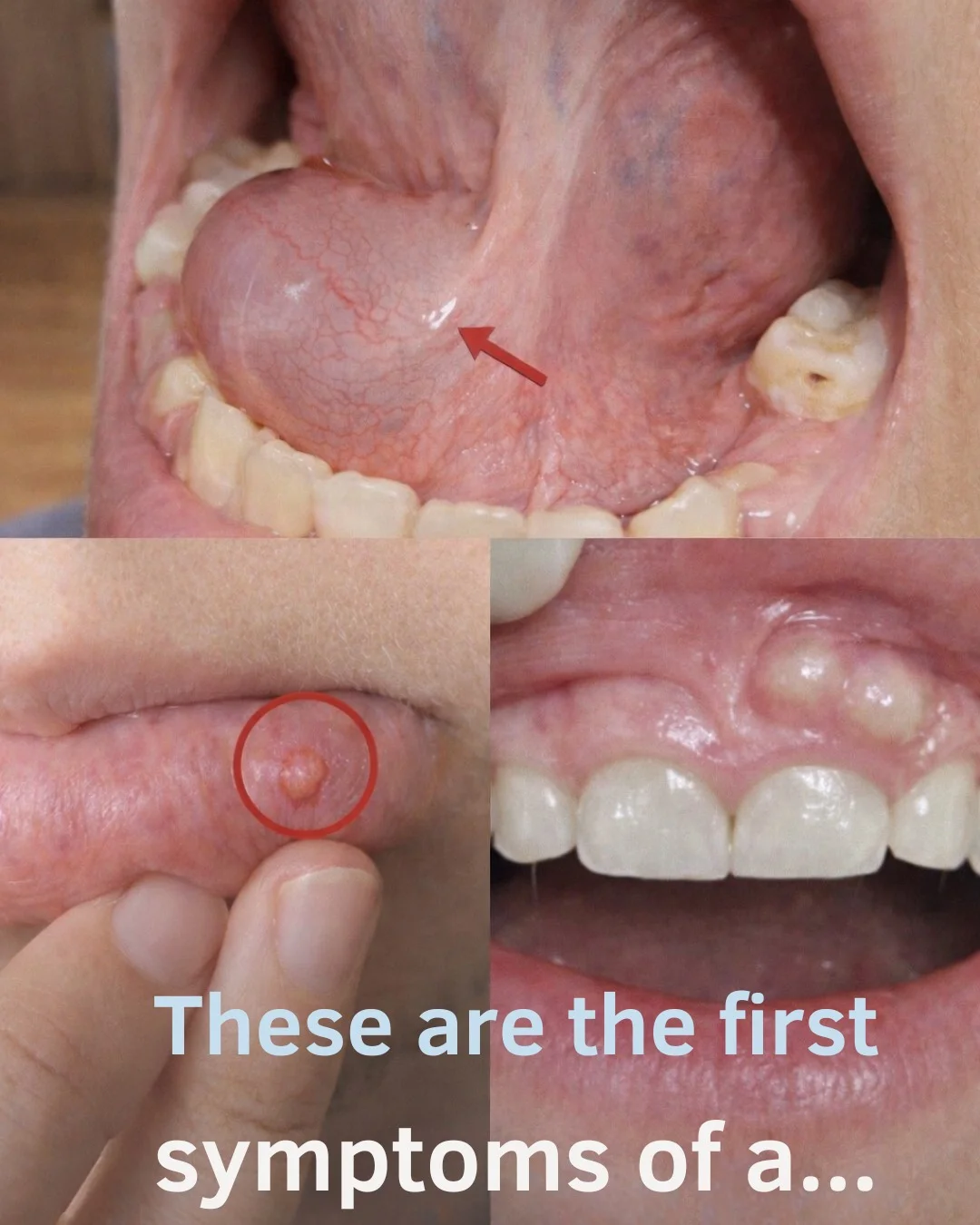
A sore or ulcer in the mouth or on the lip that doesn’t heal — Unlike typical canker sores (which usually clear up in 7-10 days), these linger beyond two weeks, may bleed easily, or cause ongoing discomfort.
White, red, or mixed red-and-white patches inside the mouth (known as leukoplakia for white patches, erythroplakia for red ones) — These can feel rough or velvety and don’t scrape off. Red patches are especially concerning as they may indicate more aggressive changes.
A lump, thickening, or swelling in the mouth, cheek, or neck — This might feel like something is caught in your throat or cause dentures to fit poorly.
Persistent pain or numbness in the mouth, lips, tongue, or throat — Or unexplained bleeding without an obvious cause.
Difficulty chewing, swallowing, speaking, or moving your jaw/tongue — Sometimes accompanied by ear pain (on one side) or a chronic sore throat.
Loose teeth or changes in how your teeth fit together — Without dental issues like gum disease.
Unexplained weight loss or voice changes (in more advanced cases).
But that’s not all… many people overlook these because they assume “it’s just a sore.” The truth is, if any of these last more than two weeks, it’s time to act.
