ADVERTISEMENT
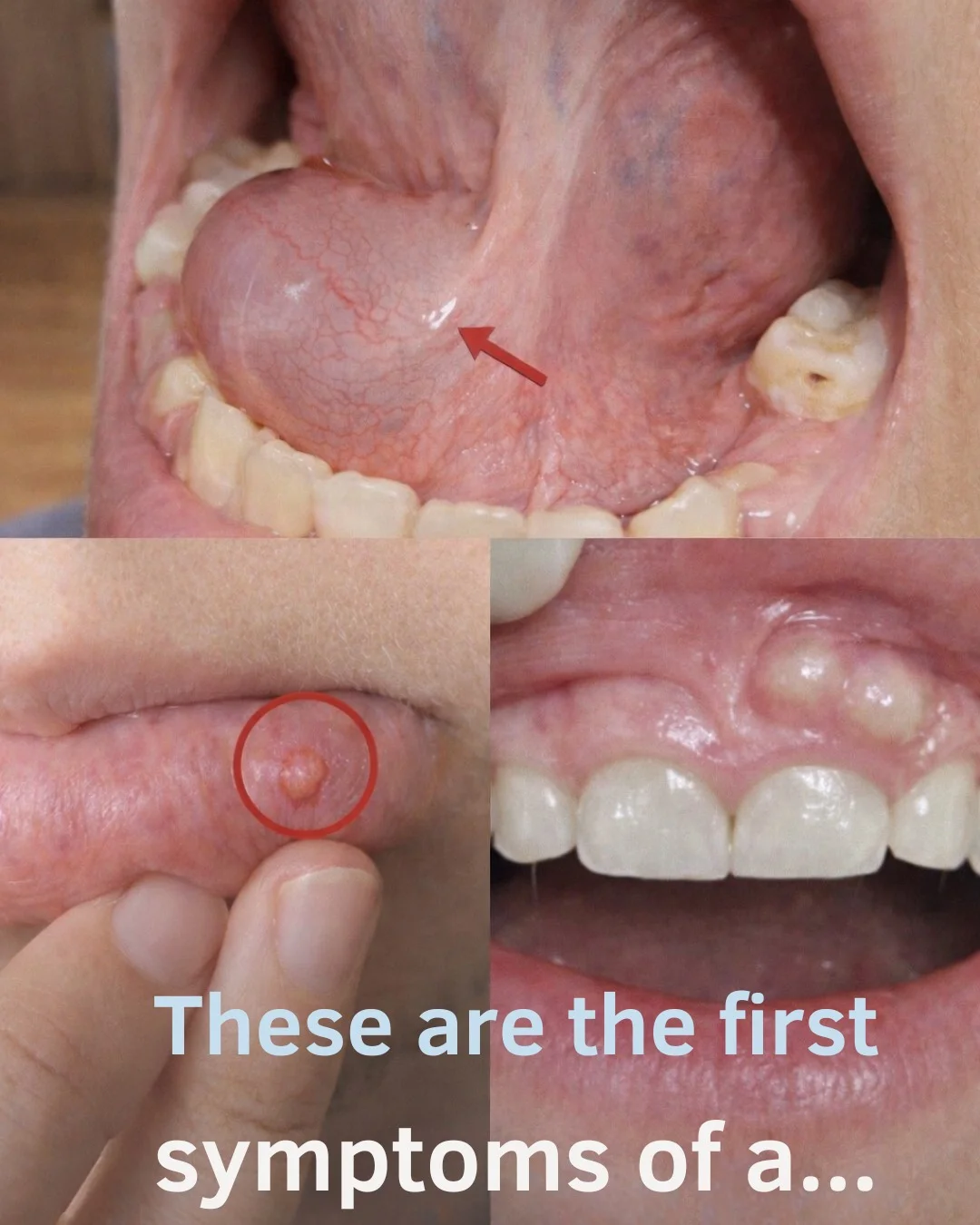
Quick Comparison: Normal Mouth Issues vs. Potential Red Flags
To help you spot the difference:
Normal canker sore → Small, painful, round/oval, heals in 1-2 weeks.
Oral cancer sore → Larger, irregular edges, painless at first or persistent pain, doesn’t heal after 2+ weeks, may bleed.
Harmless white patch (from irritation) → Goes away when cause (e.g., tobacco, rough tooth) is removed.
Suspicious white/red patch → Stays or worsens, feels rough, doesn’t respond to simple fixes.
If your symptoms match the red-flag column, don’t wait—early action matters.
Risk Factors: Who’s More Likely to Develop Oral Cancer?
Certain habits and factors raise the risk, according to health authorities:
Tobacco use (smoking or chewing)
Heavy alcohol consumption
HPV infection (especially for oropharyngeal cancers)
Age over 40
Sun exposure (for lip cancer)
Poor nutrition or weakened immune system
Even without these, anyone can be affected—so regular self-checks are smart for everyone.
Actionable Steps: What You Can Do Today to Protect Yourself
You don’t need fancy tools—just a mirror and good light. Follow this simple monthly routine:
Stand in bright light and use a mirror to look inside your mouth.
Check your lips — Pull them back and look for sores, patches, or color changes.
Open wide — Examine your gums, tongue (top, bottom, sides), cheeks, and floor of the mouth for lumps, patches, or unusual spots.
Feel gently — Use clean fingers to check for swellings or tender areas.
Note any changes — Take a photo if something looks off, and track how long it lasts.
See a professional — If anything persists beyond two weeks, visit your dentist or doctor promptly. Many dentists perform oral cancer screenings during routine visits.
Bonus tip: Limit alcohol and tobacco, eat a balanced diet rich in fruits/veggies, and practice safe habits to lower risks.
Why Early Detection Changes Everything
Research shows that when oral cancer is caught in early stages, treatment options (like surgery, radiation, or targeted therapies) are often more effective and less invasive. Waiting can allow changes to advance, making management harder. By paying attention now, you’re giving yourself the best chance.
Frequently Asked Questions (FAQ)
What does early oral cancer look like?
It often starts as a non-healing sore, red/white patch, or small lump. These can be painless at first, which is why they’re easy to miss.
How long should I wait before seeing a doctor about a mouth sore?
If it doesn’t improve in two weeks, get it checked. Better safe than sorry—most turn out benign, but early checks catch the rare serious ones.
