ADVERTISEMENT
A Stranger’s Gift Turned Delicious: How to Identify and Eat It
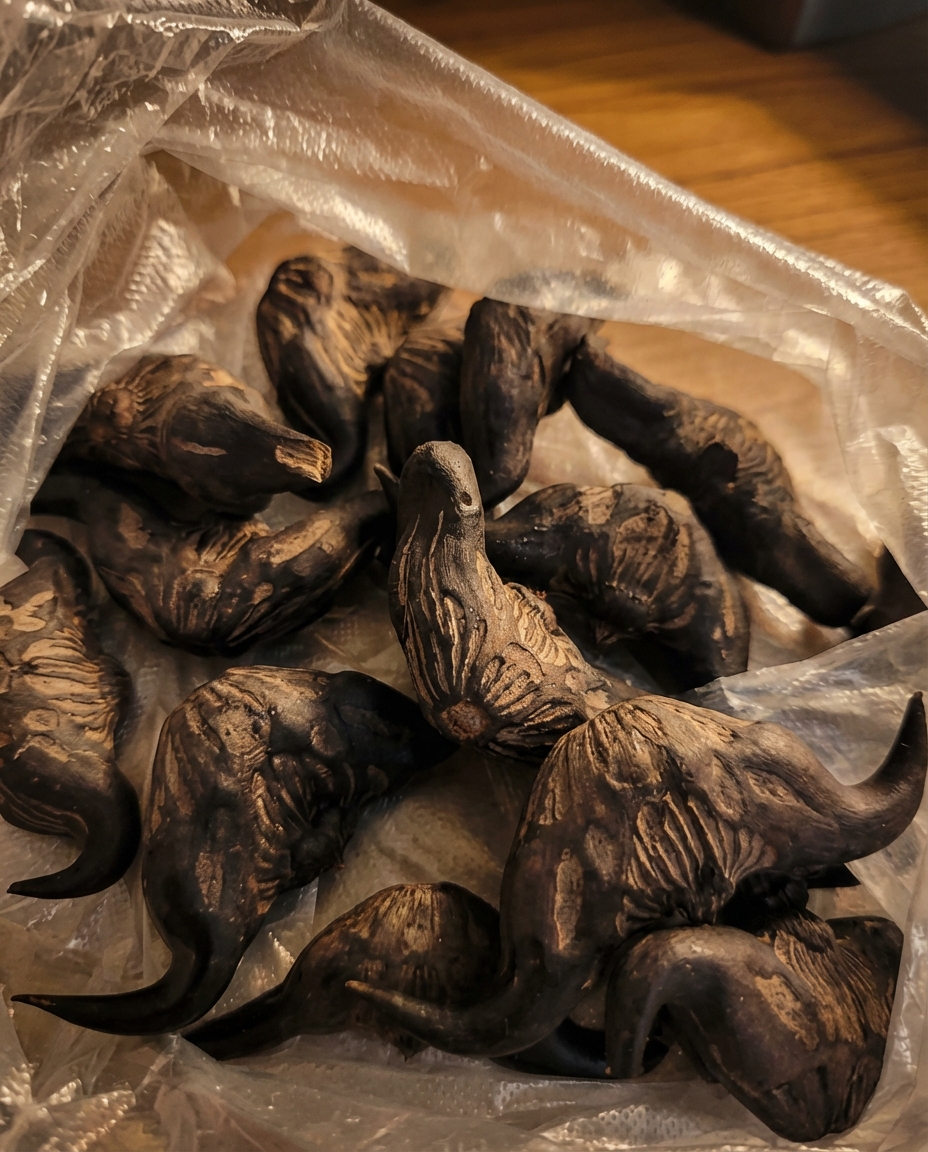
Life sometimes surprises us with unexpected gifts, and occasionally, those gifts come in the form of food. Perhaps a neighbor hands you a basket of produce, a friend offers a wild mushroom, or a friendly stranger leaves a mysterious edible treat on your doorstep. While it’s thrilling to receive such a gift, it also comes with a question: “Is it safe to eat?”
This guide will walk you through the process of identifying, preparing, and enjoying an unexpected edible gift safely. From understanding visual cues to basic tasting techniques, we’ll explore how to turn a stranger’s offering into a delicious culinary experience—without risking your health.
The Thrill and Risks of Unexpected Edibles
Receiving a food gift from a stranger can evoke excitement, curiosity, and even nostalgia. Many traditional foods were shared this way—think of wild berries, home-canned preserves, or foraged mushrooms passed along by a trusted neighbor.
However, there’s a crucial caveat: not all food is safe. Some wild plants, mushrooms, and homemade foods carry risks such as:
Toxins: Certain mushrooms and plants contain compounds that are harmful or deadly.
Contamination: Home-canned goods or poorly stored items can harbor bacteria like Clostridium botulinum, which causes botulism.
Allergens: Unknown ingredients could trigger allergic reactions.
Because of these risks, it’s essential to approach any stranger’s gift with curiosity and caution.
Step 1: Initial Assessment
Before even considering tasting, perform a careful inspection:
Examine the Appearance
Check for mold, discoloration, or signs of rot.
Look at the shape and size. Familiar shapes are usually safer. For example, a bright red apple or a small zucchini is likely harmless.
Compare to online references or reputable identification guides.
Smell the Food
Fresh foods often have a pleasant, expected aroma.
Rotten, sour, or chemical smells are warning signs.
Certain edible mushrooms have characteristic earthy scents, but some toxic species mimic these aromas.
Check for Packaging
If the gift is packaged, read labels carefully. Homemade jams or preserves should be inspected for sealing integrity. Bulging lids or leaking jars indicate bacterial growth and are unsafe.
Step 2: Identify the Item
Identification is the most critical step when dealing with a stranger’s gift. Correct identification can mean the difference between a delightful treat and a trip to the hospital.
