ADVERTISEMENT
What’s This on My Salami? A Parisian Mystery That Made Me Put Down My Snack
Paris—the city of lights, art, wine, and yes, food. From flaky croissants at dawn to creamy cheese plates at dusk, the French capital is a paradise for culinary adventurers. But even the most seasoned traveler can encounter something unexpected: the kind of food mystery that makes you pause, photograph it, and maybe even leave it on the plate.
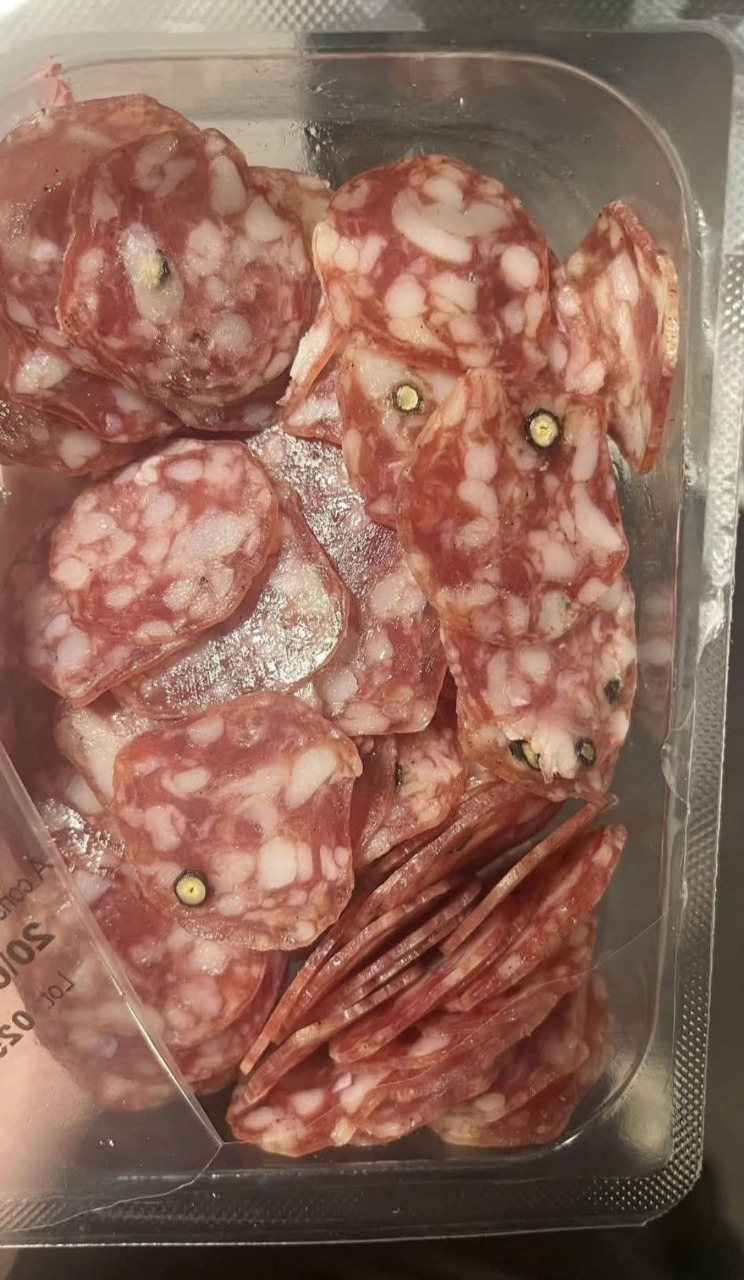
Recently, I found myself staring at my salami in a Parisian charcuterie, wondering: “What’s this on my salami? I know it’s not mold… I think. I couldn’t bring myself to eat it!”
This is the story of that salami, and the fascinating science, culture, and psychology behind why a tiny unexpected speck can derail an otherwise perfect culinary experience.
The Scene: Paris, Charcuterie, and the Salami Saga
I had just wandered into a small, aromatic charcuterie tucked into a narrow Parisian street. The counters gleamed with meats, cheeses, and terrines, and the air smelled like smoked paprika, garlic, and cured magic.
The salami in question caught my eye immediately—rich in color, delicately marbled, with a fragrant, smoky aroma that made my stomach rumble. I picked up a slice and noticed something unusual: a small white coating on the surface.
At first, I thought, “Oh, maybe mold?” But then I remembered: cured meats often have protective coatings that aren’t mold at all. My Parisian culinary sense, though, screamed caution.
Why We Hesitate to Eat “Odd” Food
Humans are hardwired to avoid potentially harmful foods. This instinct likely saved countless ancestors from food poisoning or toxic plants. Even in a city known for its culinary expertise, that instinct doesn’t disappear.
A tiny speck on a slice of salami can trigger disgust or hesitation—even if it’s harmless. Psychologists call this the “food neophobia response”—an innate caution against unfamiliar substances.
When I saw that white coating, my rational mind said, “It’s probably safe, it’s a cured meat in Paris, relax”, but my instinct shouted, “Nope, put it down!”
What Could It Be? The Science of Salami Surfaces
Cured meats like salami are complex, living foods. They undergo fermentation, drying, and sometimes aging for months. That white coating can come from several sources:
1. Natural Mold
Yes, mold! But not the scary kind. Many traditional salamis are intentionally coated with Penicillium nalgiovense, a white mold that protects the meat and develops flavor. This mold is completely edible and part of the craft.
2. Salt Bloom
Sometimes, salt crystals emerge on the surface during curing. This is called salt bloom and is harmless. It can even add a pleasant texture if left intact.
3. Fat Bloom
In some cases, fat from the meat can rise to the surface, forming white streaks or spots. It’s a natural process in dry-cured meats and not dangerous.
