ADVERTISEMENT
Noem Says She’ll ‘Always’ Stand Behind ICE Officers Amid Protests: What It Means and Why It Matters
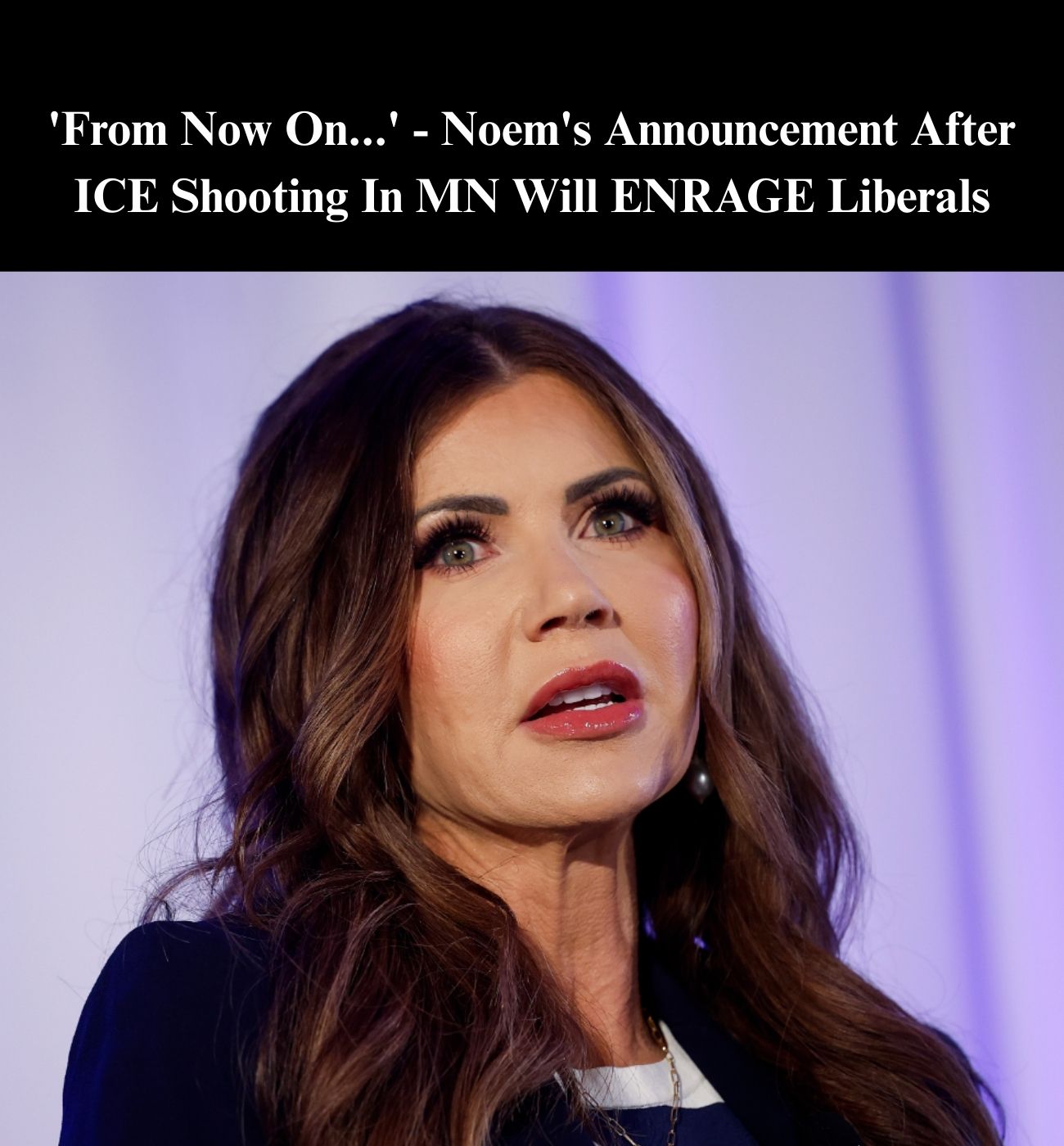
In a moment of growing national tension over immigration enforcement, Homeland Security Secretary Kristi Noem has made it clear that she will “always” stand behind officers with U.S. Immigration and Customs Enforcement (ICE), even as protests intensify across the country. Her stance — amid widespread demonstrations, legal challenges, and rising criticism — underscores a deep divide in America on law enforcement, immigration policy, and civil liberties.
To understand the broader implications of this statement, we need to take a step back and examine the context, the reactions, and what this reveals about national politics, public trust, and the future of federal enforcement actions.
Why Noem’s Statement Matters
Over the past several weeks, protests have erupted in cities from Minneapolis to New York, and from Los Angeles to Chicago, primarily in response to a series of controversial enforcement operations by ICE and related federal agencies. The immediate flashpoint was a fatal shooting in Minneapolis involving an ICE agent, which left a 37‑year‑old woman dead and sparked widespread outrage.
In the aftermath, protesters have voiced demands for accountability, changes in federal immigration policy, and scrutiny of federal law enforcement tactics — including in cities that have passed sanctuary protections or restricted cooperation with ICE.
In this climate, Noem’s decision to publicly reaffirm her support for ICE officers — saying she’ll “always” stand behind them — is more than a policy statement; it’s a political and cultural signal. It tells supporters that federal enforcement will not back down, even amid public demonstrations, and it tells critics that the administration is doubling down on aggressive immigration policy.
How ICE Operations Sparked Protests
ICE’s enforcement actions in Minnesota have been particularly high‑profile. Since last December, ICE officers and other agents have undertaken a surge of enforcement activity in and around the Twin Cities — a campaign that has included arrests, raids, and heightened federal presence.
The protests have several core grievances:
The shooting of Renee Nicole Good by an ICE agent during an enforcement action, which critics describe as excessive use of force against a person not posing a clear threat.
The overall expansion of immigration raids and federal enforcement inside major cities, perceived by critics as intimidating, indiscriminate, and harmful to immigrant communities.
The targeting of communities with sanctuary policies or limited cooperation with ICE, viewed by many residents and elected officials as federal overreach.
These protests have often been large and vocal, involving not only immigrant rights activists but also civil liberties organizations, religious leaders, and local officials. In Minnesota alone, demonstrators converged near federal facilities, marched through neighborhoods, and held rallies demanding justice and policy reform.
Noem Frames Support as Protection for Officers
In response, Noem’s rhetoric has focused less on addressing protesters’ concerns and more on framing federal enforcement as essential and under threat.
