ADVERTISEMENT
If you’re a renter, building a permanent fence may require landlord approval. Even a low, portable barrier could breach your lease if done without consent.
Key Takeaways: What Really Matters
When planning a fence, success isn’t just measured by posts and panels. It’s about balancing law, etiquette, and long-term relationships.
Know the law first. Permits, property lines, HOA rules, and height limits are non-negotiable.
Communicate early. Talk with neighbors before construction begins.
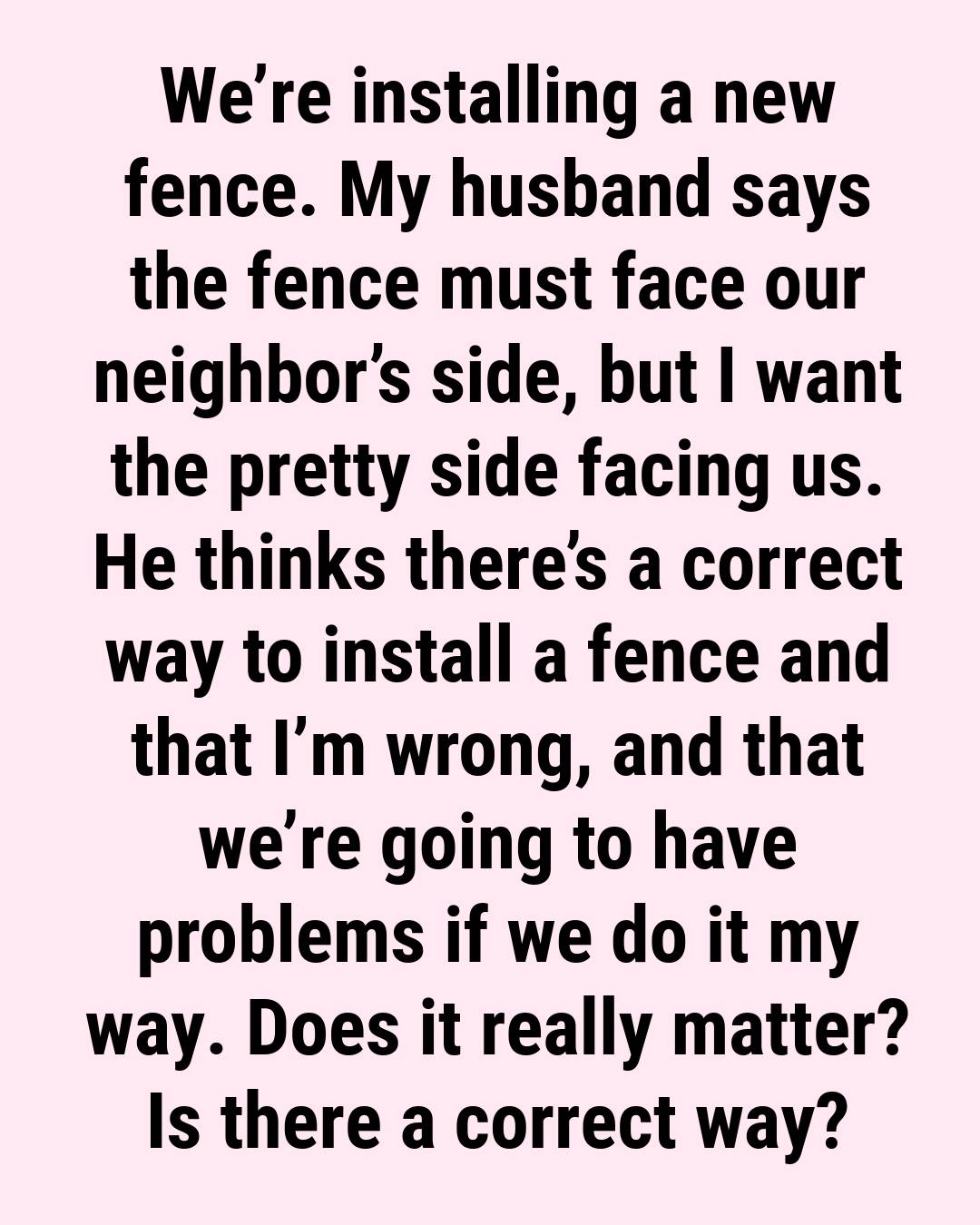
Prioritize aesthetics and functionality. Choose materials and designs that are both effective and harmonious with the surroundings.
Plan for maintenance. A neglected fence is a neighborly grievance waiting to happen.
Document agreements. Written consent or acknowledgment prevents misunderstandings.
A fence isn’t just wood or metal; it’s a social and legal statement about property, privacy, and respect.
Conclusion
Fence building sits at the intersection of law and etiquette. Legal compliance ensures you avoid fines and disputes, while etiquette ensures that your fence doesn’t fracture relationships with neighbors. The best fences are ones that meet both criteria: secure, durable, and considerate.
Whether you’re enclosing a garden, adding privacy, or marking boundaries, the effort you put into planning, communicating, and selecting materials will pay dividends. In the end, a fence is more than a structure; it’s a reflection of respect — for your property, for your neighbors, and for the law that governs both.
