ADVERTISEMENT
Draft Emails and Unverified Content
Among the materials drawing attention were a pair of unsent draft emails attributed to Epstein’s own account from July 2013.
These documents, first widely reported by media outlets after the DOJ’s release, include language suggesting Epstein wrote to himself about Gates seeking assistance with allegedly sensitive personal matters.
One of the draft emails mentions an antibiotic request related to a purported sexually transmitted infection, and another references “illicit trysts” and personal challenges. These draft emails were reportedly never sent and remain unverified.
It’s crucial to underscore that no credible evidence has emerged confirming the authenticity of these drafts as factual accounts, nor that they ever reached Bill Gates or were acted upon.
The Justice Department has stated that the documents are part of broader investigative material that includes unverified claims and raw leads, not established judicial findings.
Bill Gates’s Response and Denial
In the wake of the document release, Bill Gates publicly addressed the renewed attention to his association with Epstein. In statements to international media, including an interview with Australia’s 9News, he denied any wrongdoing or inappropriate behavior suggested by the draft accounts.
Gates clarified that the email referenced in the documents was written by Epstein to himself and was never sent, and he called the suggestion, as quoted from the draft, “absolutely absurd and completely false.”
He reiterated that his interactions with Epstein were limited to a series of dinners and discussions about philanthropy, and that he had never visited any of Epstein’s private residences or been involved in illegal activity with him. In that interview, Gates said that he regretted spending time with Epstein, describing it as a “huge mistake.”
Melinda French Gates: Personal Reflection, Not Accusation
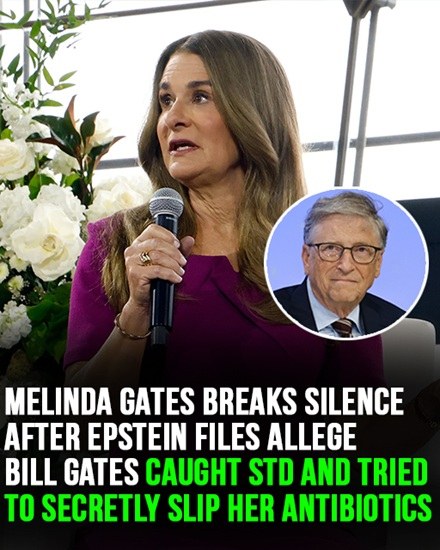
Melinda French Gates’s remarks were not framed as accusations. Instead, she anchored her comments in empathy for Epstein’s victims and the broader societal reckoning over how power and influence intersected with Epstein’s criminal activities.
“I think we’re having a reckoning as a society,” she said, adding that “no girl should ever be put in the situation that they were put in by Epstein and whatever was going on with all of the various people around him.”
She also connected her reflections to her role as a parent, noting how deeply painful it was to think about the victims’ experiences, especially through the lens of motherhood and empathy.
While acknowledging that the renewed focus brought up memories of difficult times in her past marriage, she said she has “moved on” and is now in a “beautiful place” in her life.
Divorce and Philanthropy: Contextual Background
Melinda French Gates and Bill Gates were married for 27 years before announcing their divorce in 2021. At the time, public reporting indicated that her discomfort with Bill Gates’s association with Epstein was one of several factors contributing to the strain on their relationship.
Following their divorce, French Gates resigned from her leadership role with the Bill & Melinda Gates Foundation in 2024 and has since focused on other philanthropic work, including her own initiatives aimed at gender equality and global health.
Understanding the Broader Impact
The latest release of Epstein‑related material has reignited discussion about how powerful individuals, institutions, and social networks intersected with the disgraced financier and his extensive criminal enterprise.
Figures from diverse sectors — political, business, and cultural — appear in the records in varying contexts, often prompting clarifications, denials, or legal challenges about the nature and extent of their connections.
Legal experts, media analysts, and lawmakers have emphasized that being named in the files does not imply culpability or criminal conduct. The files include drafts, third‑party reporting, and raw investigative leads that require cautious interpretation.
At the same time, victims’ advocates and some legislators have raised concerns about redactions, delays, and incomplete transparency in the DOJ’s disclosures. Critics argue that missing or withheld material leaves unanswered questions about the full scope of Epstein’s reach.
Looking Ahead: Accountability and Dialogue
Melinda French Gates’s public comments represent a shift from silence to reflection on a highly sensitive public story, combining personal reaction with broader empathy for victims and a call for accountability from those whose names appear in the Epstein files.
By focusing her remarks on the emotional impact and on societal responsibility — rather than issuing direct claims — she has framed her response in a way that acknowledges pain without asserting unverified allegations.
As the larger conversation continues, experts emphasize that due process, careful evaluation of evidence, and contextual understanding are essential to avoid unfounded conclusions while still supporting survivors of Epstein’s criminal actions.
