ADVERTISEMENT
Choosing the food that ends up on your table is one of the most personal decisions you make each day. For many older adults, especially those who grew up with family farms or have memories of buying meat from trusted local butchers, the question of store-bought versus farm-raised beef is more than a practical choice. It is about quality, taste, and confidence in what you are feeding yourself and your family.
As interest grows in healthier eating and sustainable food sources, the distinction between store-bought beef and farm-raised beef has become an important topic. Understanding these differences can help you make choices that feel right for your lifestyle, your budget, and your values. Whether you shop at a large supermarket or prefer supporting local farmers, knowing how your beef is raised gives you a clearer picture of what you are truly buying.
The Quality and Taste of Your Beef
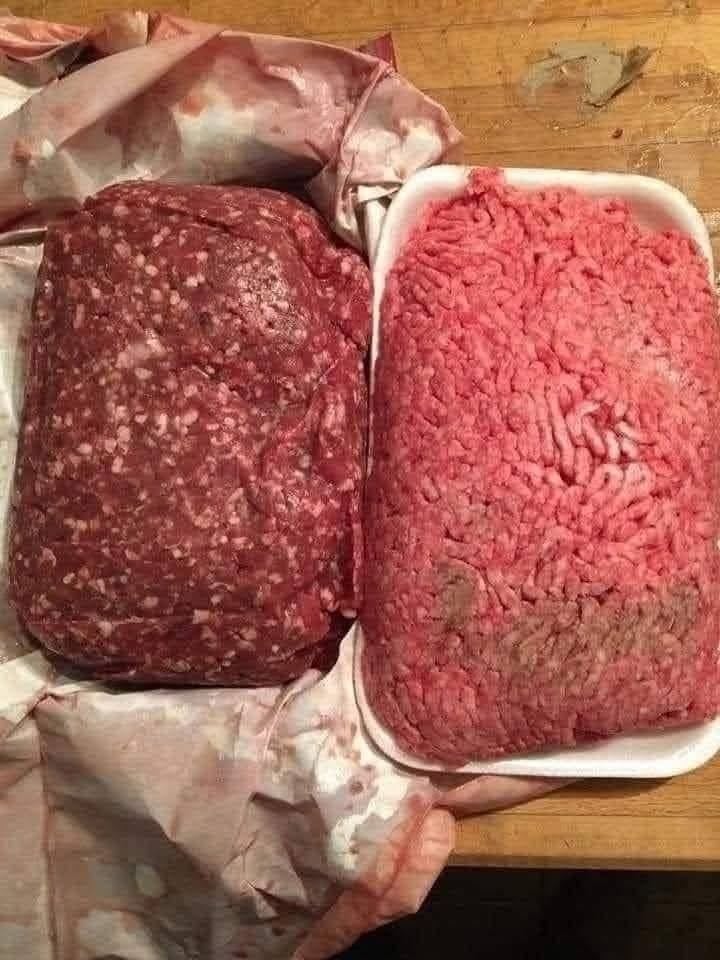
For many shoppers, taste is the first noticeable difference between store-bought and farm-raised beef. People who have enjoyed beef from smaller local farms often describe the flavor as fuller and more traditional, similar to what they remember from earlier years when farms were more common.
Farm-raised beef, particularly from smaller or family-operated farms, generally comes from cattle that spend more time on pasture. These animals often start with a grass-fed diet and may be finished with grains to create a balanced flavor and texture. This combination can lead to beef that feels firmer, with richer marbling and a more pronounced, natural taste.
Supermarket beef, on the other hand, is typically sourced from large producers who use feedlots designed to raise cattle quickly and consistently. The cattle often receive a high-grain diet, and their living environment is structured for efficiency rather than open grazing. This approach gives the beef a uniform appearance and tenderness that many shoppers are used to seeing in stores. However, some people feel that store-bought beef lacks the deeper flavor that comes from cattle raised with more space and a varied diet.
Taste preferences vary, of course, but if you have ever compared a steak from a local farm with one from a grocery chain, you may have noticed this difference firsthand.
How Diet and Environment Shape the Beef You Eat
The way cattle are raised has a direct influence on the meat they produce. When you hear terms like grass-fed, grain-finished, or pasture-raised, these refer to how the cattle lived and what they ate.
Farm-raised cattle with regular access to pasture tend to move more and experience a more natural lifestyle. This can create meat with a denser texture and a robust flavor profile. Many local farmers take pride in raising cattle with thoughtful routines, balanced diets, and individual attention, which can be reflected in the final product.
By comparison, store-bought beef usually comes from cattle raised in larger systems focused on steady production. Feedlot cattle are provided with controlled diets, often rich in grains, to encourage quick growth and predictable yields. While this results in beef that is very consistent in appearance, it may not offer the same depth of taste or connection to traditional farming methods.
For older adults who remember when most beef came from smaller farms or local butchers, understanding these differences can help recreate some of that familiar flavor and quality.
The Experience of Buying Local Beef
Local farmers can explain how their cattle are fed, how they manage their herds, and what makes their beef unique. For many shoppers, especially those who value traditional food practices, this direct relationship is part of what makes farm-raised beef appealing.
Store-bought beef certainly has its conveniences. Supermarkets offer a wide selection, predictable prices, and easy access. For busy households, this reliability is helpful. But the trade-off is that most shoppers do not know exactly where the beef came from or how the cattle were raised.
Price, Value, and What You Get for Your Money
A common question is whether farm-raised beef costs more than supermarket beef. The answer often depends on the specific farm, the cut of meat, and the region. Local beef may carry a slightly higher price because smaller farms invest more time and resources into raising cattle in a thoughtful, hands-on way.
However, many customers feel that the added freshness, richer taste, and greater transparency provide good value for the price. Some also prefer buying in bulk directly from a farm, which can lower the cost per pound and stock the freezer for months at a time.
Supermarkets generally keep prices lower through large-scale production, bulk distribution, and frequent promotions. If convenience and cost are your main priorities, store-bought beef remains a practical option.
Choosing the Beef That Fits Your Lifestyle
There is no single “right” choice between store-bought and farm-raised beef. Both have their strengths, and both can fit into a balanced diet. What matters most is choosing what aligns with your goals for flavor, quality, and peace of mind.
If you enjoy supporting local agriculture, value knowing exactly how your food is raised, or simply prefer beef with a richer and more traditional taste, farm-raised options may be worth exploring. If convenience, consistency, and predictable pricing matter more for your household, store-bought beef remains a dependable choice.

Flight Attendant Came up to Me and Said, ‘Stay after Landing Please, the Pilot Wants to Talk to You Personally’
I thought my big business trip to LA was going to be just another day…

(VIDEO)Choir Begins Singing ‘Lone Ranger’ Theme With Backs to the Crowd, When They Spin Around I Can’t Stop Laughing
The Timpanogos High School Choir was determined to entertain their audience with a twist on…

I grew up very poor.
I grew up very poor. When I was 13, I was at a classmate’s house…

Chicken Bubble Biscuit Bake Casserole: The Ultimate Comfort Food for Busy Families
When life gets hectic and your to-do list is longer than your arm, there’s something…

Hunter Biden Facing New Accusation After Presidential Pardon
Following his unconditional pardon from President Biden, Hunter Biden is now facing allegations of owing…
Slow Cooker Apple Kielbasa Bites: A Sweet and Savory Comfort Dish That Warms the Soul
There’s a kind of magic in the aroma of something slow-cooked to perfection — something…

From age 65, how often should you shower (and why over-washing can be harmful to your health)
From a exact age, everyday actions should carefully think. One of the most painless —taking…

War:ning! Eight pills that should not be consumed because they cause severe dementia
Many people are unaware that certain popular drugs can adversely impair their memory and brain…

Roasted Parmesan Creamed Onions: The Side Dish That Steals the Show
If you’ve ever wondered how to turn a humble onion into something elegant and unforgettable,…

The Ultimate Layered Pasta Salad: A Showstopping Dish for Every Gathering
Some recipes come and go with the seasons, but this Layered Pasta Salad is a…

A Natural Miracle for Brain Health, Inflammation, and Joint Pain
Say good bye to the expensive pharmacy treatments — sage is a natural remedy known…

Put raw cabbage wedges in a slow cooker with these 3 ingredients. It’ll wow you..
Slow Cooker 4-Ingredient Cabbage Stew If you’re looking for a simple, hearty, and comforting meal,…
